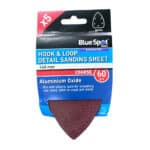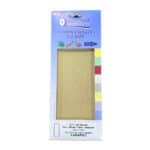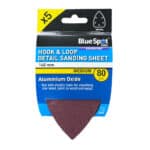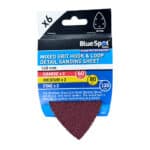
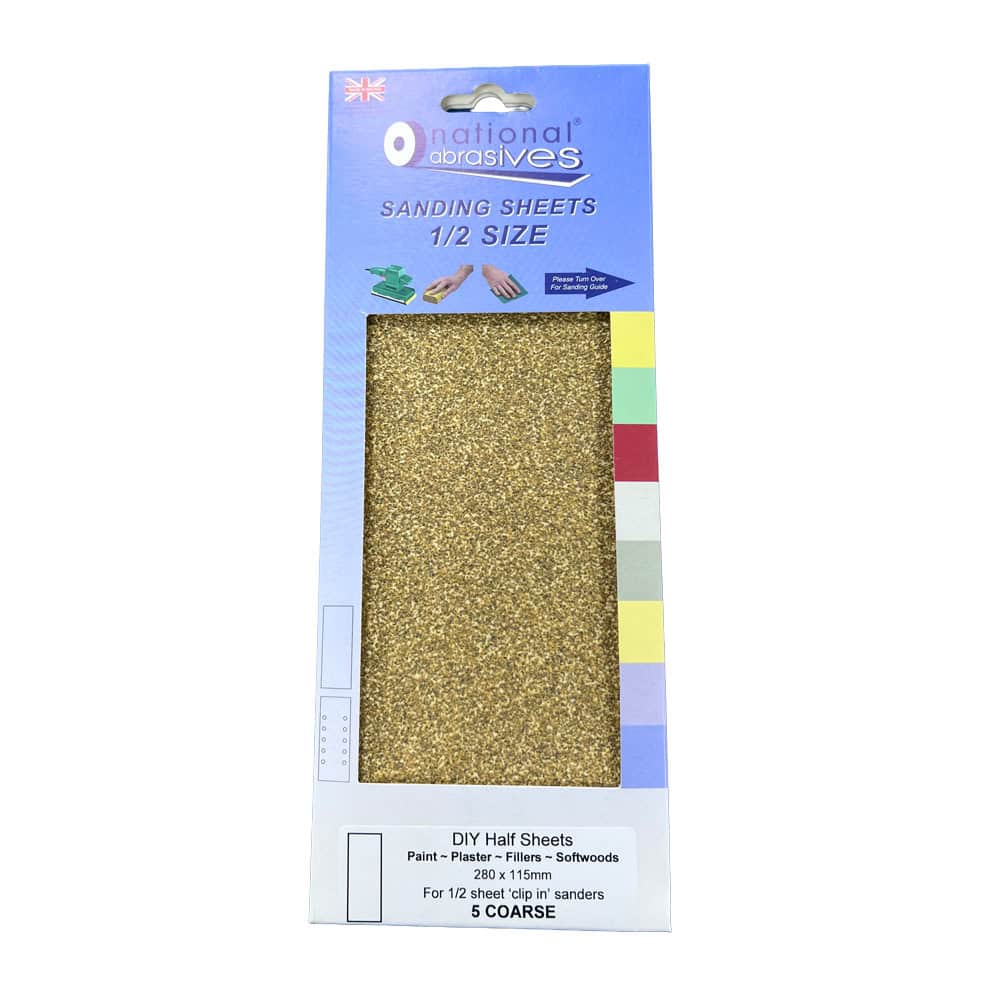

Sanding Sheets Half Size Coarse – 5 pack
This pack contains five coarse 1/2 size sanding sheets for use with compatible sanding equipment. A coarse abrasive is generally used during an earlier preparation stage, when a surface needs more material removed than a medium or fine sheet would provide. Coarse sanding can leave noticeable marks, so it may need to be followed by finer grades before the surface is ready for painting, varnishing or another finish.
The product title identifies the sheets as 1/2 size and coarse, but it does not specify their exact dimensions, grit number or fixing method. Sanding sheets can vary in size and attachment style, so check the product listing details and compare the sheet with your tool before ordering. Do not assume a sheet will fit based on the “1/2 size” description alone.
For suitable preparation work
A larger sheet format can be helpful when preparing broader, relatively flat areas than a detail sheet is intended for. Whether these sheets suit a particular sander depends on the dimensions and backing arrangement of the machine. If the sheet is too large, too small or unable to attach properly, it may shift during use and make sanding less controlled.
Before beginning, inspect the material and remove loose dust or debris. Secure the workpiece and test the abrasive on a discreet section. Coarse sheets can remove material quickly, so begin with light pressure and keep the tool moving across the surface. Avoid leaving the sander in one place, particularly near edges, corners or raised details, where material can be removed unevenly.
Work through grades gradually
Coarse sanding is usually only one part of surface preparation. Check the result frequently and decide whether the surface needs a medium or fine grade to reduce the marks left by the coarse abrasive. When moving to a finer sheet, remove dust from the work area first. Coarse particles left behind can cause scratches during the next sanding stage.
The exact sanding sequence depends on the material and the finish. Follow any recommendations supplied by the manufacturer of the surface treatment you plan to apply. If you are sanding a previously coated surface, confirm that it is suitable for sanding and follow the coating’s safety instructions.
Replace a sheet if it becomes clogged, torn or worn. Pushing harder on a worn abrasive can make the tool more difficult to control and may result in an uneven finish. Use the sander according to its instructions, and stop to inspect the surface rather than continuing by habit.
Check dimensions and fixing
Before purchase, confirm the sheet’s length, width, fixing method and any dust-extraction hole pattern using the listing details. Compare those details with the sanding pad on your machine. If you are unsure, contact us with your sander’s make and model so you can check the fit before ordering. The title alone does not confirm a specific brand or machine compatibility.
Wear eye protection and a suitable dust mask while sanding. Use a dust-extraction system where available and follow the instructions for the tool and material. Disconnect the machine before changing a sheet. Take care with old coatings, treated wood and other materials that may create hazardous dust; use the safety measures appropriate to the material.
This five-pack offers a supply of coarse 1/2 size sanding sheets for suitable sanding equipment. Confirm the sheet dimensions and attachment style before fitting, use a coarse grade only where it suits the job, and move to finer abrasives when the surface requires a smoother finish.